
How to Get Your Teaching License Online (2025 Step-by-Step Guide)
Facing a massive 44% national vacancy rate, schools across America are desperate for qualified teachers. The traditional four-year route isn’t the only way into the classroom anymore. In fact, if you already hold a bachelor’s degree, you could be leading your own classroom in as little as nine months.
But let’s be honest: navigating the bureaucracy of state departments of education is often harder than the teaching itself. You’ve probably Googled “how to get teaching license online” and found yourself drowning in acronyms like CAEP, AAQEP, and Praxis.
In my years analyzing education policy, I’ve seen countless aspiring educators get stuck in the “research phase,” paralyzed by hidden costs and confusing reciprocity rules. It shouldn’t be this hard.
This guide is your roadmap. We aren’t just going to list colleges; we are going to break down the specific alternative teacher certification online pathways, reveal the hidden fees no one tells you about, and show you exactly which states allow you to transfer your license effortlessly. Whether you are a career switcher or a fresh graduate, here is how you dominate the process in 2025.
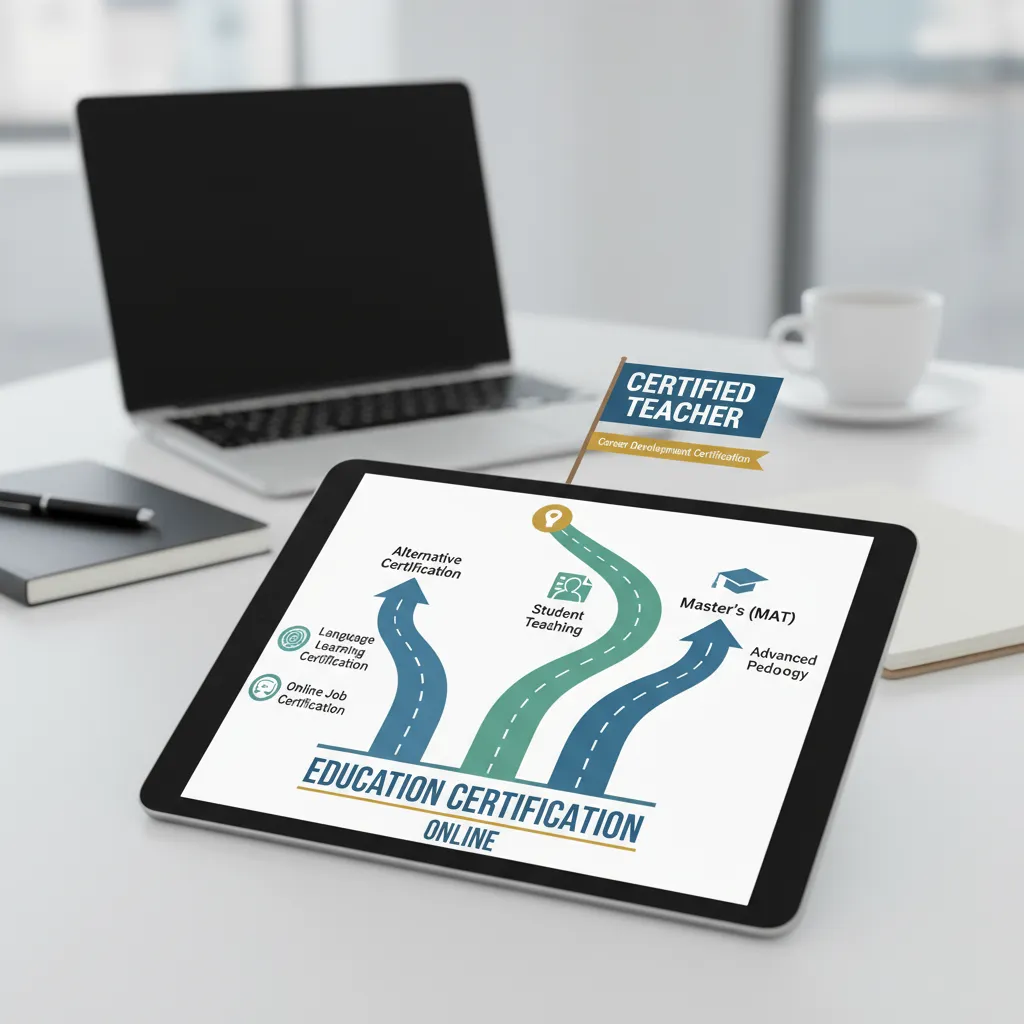
The 3 Pathways to Online Teacher Licensure
Not all online teaching programs are built the same. Before you spend a dime, you need to identify which “bucket” you fall into. The process for someone with a finance degree looking to teach math is vastly different from someone with no degree at all.
Path 1: Alternative Certification (Best for Bachelor’s Holders)
If you already have a bachelor’s degree (in any subject) with a GPA of at least 2.5, this is your golden ticket. This route is designed specifically for career switchers.
According to the Center for American Progress, in states like Texas, 68% of all new teacher enrollments now come from alternative certification programs rather than traditional university degrees. Why? Because it’s faster and cheaper.
The “Intern” Advantage: The biggest selling point here is the “intern certificate.” Unlike traditional student teaching where you work for free, alternative programs often allow you to work as a paid teacher of record while you complete your coursework online in the evenings.
Path 2: Online Bachelor’s in Education (Best for No Degree)
If you haven’t finished college yet, you cannot take a shortcut. You need a regionally accredited bachelor’s degree to get a full teaching license in all 50 states. Programs like Western Governors University (WGU) or Grand Canyon University offer online teaching degrees with licensure included.
This is a 3-4 year commitment, but it bundles everything—content knowledge, pedagogy, and licensure exams—into one package.
Path 3: Online Master’s (MAT) (Best for Career Advancement)
If you have a bachelor’s degree but want to start at a higher salary bracket, look at an Online MAT (Master of Arts in Teaching). While more expensive than alternative certification, having a master’s degree can increase your lifetime earnings significantly. Plus, these programs often qualify for more aggressive federal loan forgiveness options.
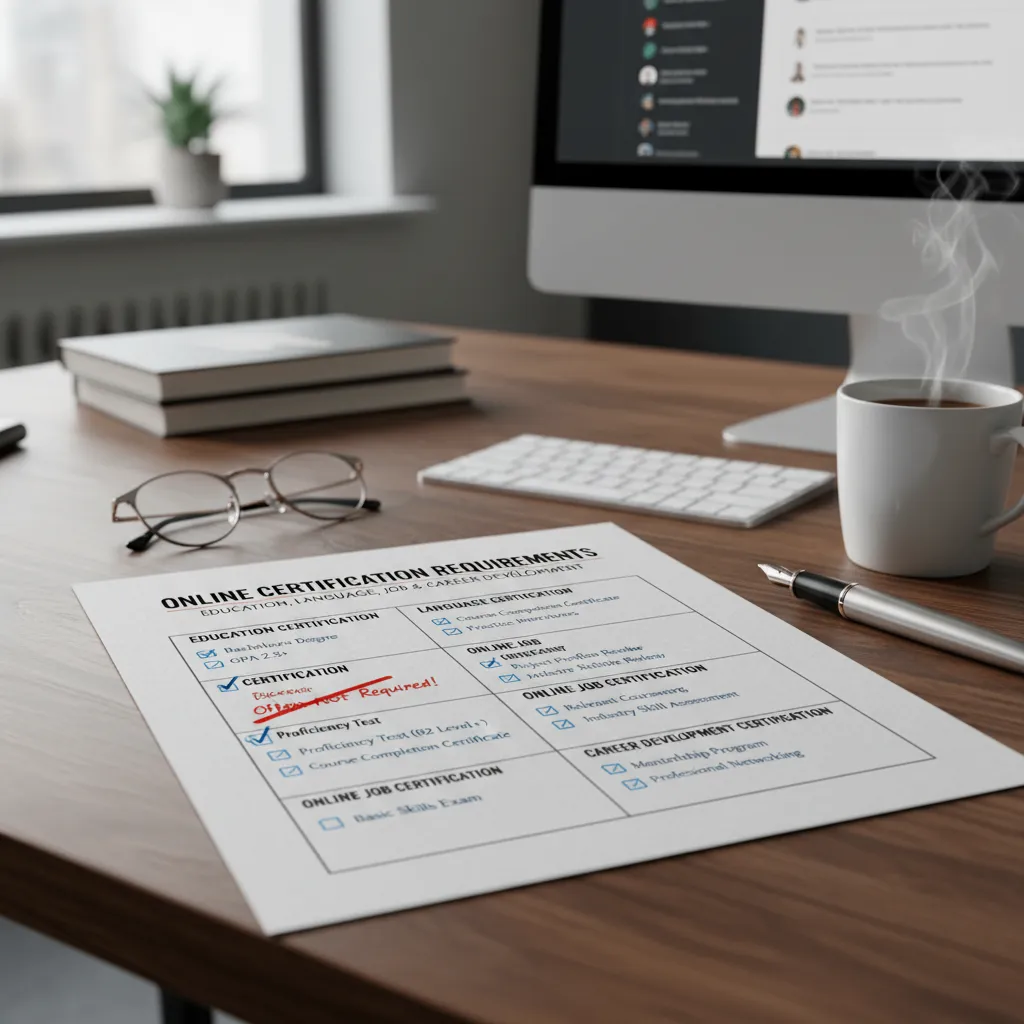
Prerequisites Checklist: Do You Qualify?
Before you apply to an online post-baccalaureate teacher certification program, you need to clear the initial hurdles. I’ve seen many candidates pay application fees only to get rejected because they missed one of these details.
- Bachelor’s Degree: Must be from a regionally accredited institution. A GPA of 2.5 is the standard floor, though some programs like iTeach may accept a 2.25 on a case-by-case basis.
- Background Check: This is non-negotiable. You will need to submit fingerprints to the state and FBI. According to the Texas Education Agency (TEA) Fee Schedule, you should budget about $50-$60 for this process alone.
- The “Basic Skills” Exam Myth: Here is some good news. For years, aspiring teachers had to pass a “Basic Skills” test (math/reading/writing) just to enter a program. However, many states are dropping this barrier to combat the shortage. Don’t assume you need it—check your state’s DOE website first.
Top Accredited Online Certification Programs (2025 Review)
When choosing a program, your number one criteria must be accreditation. Specifically, look for CAEP (Council for the Accreditation of Educator Preparation) or AAQEP accreditation. Without this, your license might not be portable to other states.
Here is how the top contenders stack up based on 2025 data:
| Program | Best For | Est. Cost | Speed |
|---|---|---|---|
| Teachers of Tomorrow | Career Switchers | $95 Start / $4k+ Deferred | 6-9 Months |
| Western Governors Univ. (WGU) | Degree Seekers | ~$4,000 per term | 12-36 Months |
| American Board | Budget Conscious | $1,900 – $2,500 | Self-Paced |
| iTeach | National Mobility | $4,250 (Deferred options) | 6-12 Months |
A Note on Pricing: According to WGU’s 2025 tuition schedule, they charge a flat rate per 6-month term. This is a “hack” for motivated students—if you can finish 20 credits in one term, you pay the same as someone who finishes 6. Meanwhile, American Board remains one of the cheapest options at roughly $1,900 total, but it is entirely self-study with less support.
Step-by-Step: From Enrollment to Your First Classroom
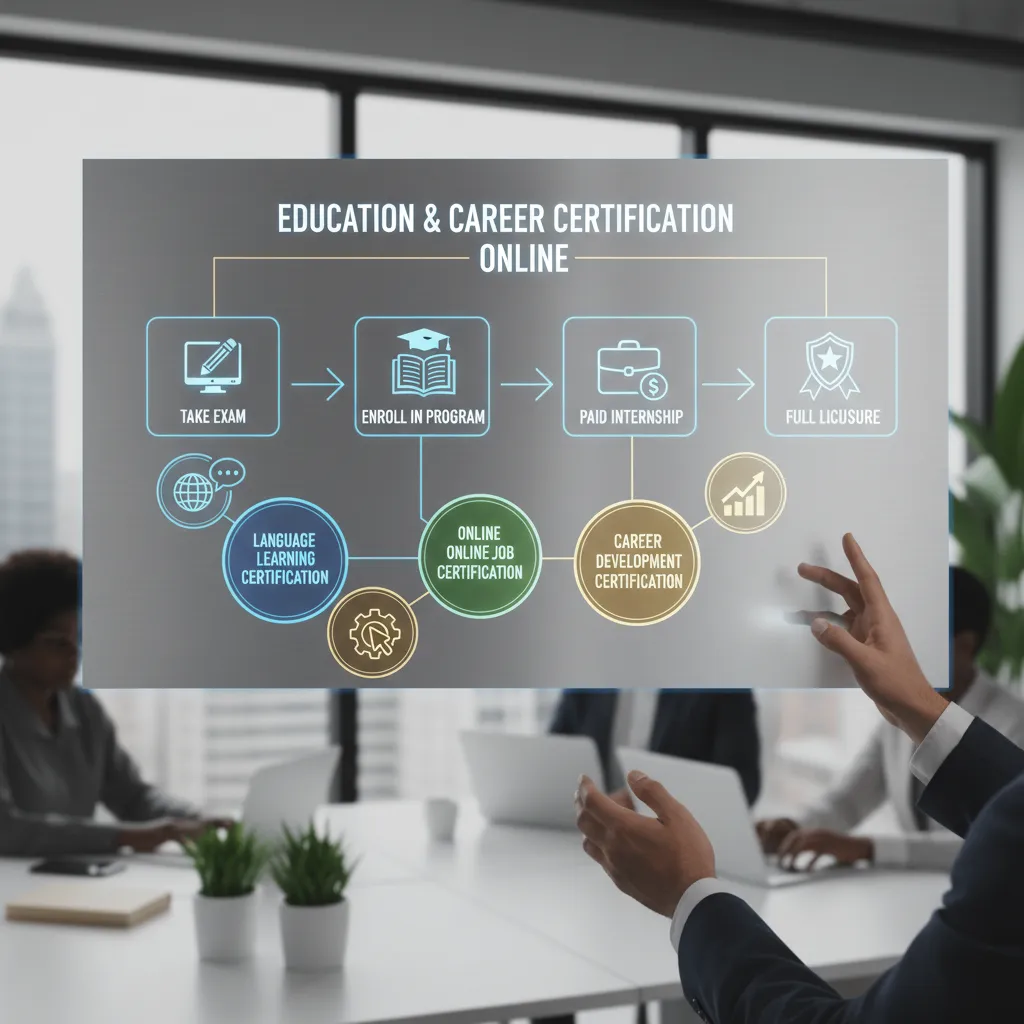
### Step 1: Passing Content Exams (Praxis II / TExES)
Most alternative teacher certification online programs require you to pass a content exam *before* you can start teaching. This proves you know the subject. If you want to teach Biology, you take the Biology Praxis.
According to Learning Policy Institute data from 2024, roughly 411,000 teaching positions are unfilled or filled by under-qualified staff. This means if you pass that Physics or Math exam, schools will fight over you.
### Step 2: The “Student Teaching” Requirement
This is where most people get confused. “Can I do student teaching online?” **No.**
You must do clinical hours in a physical classroom. However, there are two ways to do this:
1. Traditional Student Teaching: You work for free for 12-16 weeks under a mentor.
2. Internship (The Better Option): You get hired as a teacher of record on a “Provisional” or “Intern” certificate. You get paid a full salary while a mentor visits your classroom periodically to grade you.
### Step 3: Applying for the State License
Once your exams and teaching hours are done, your program will recommend you for licensure. You then apply through the state’s DOE portal.
Cost Breakdown: How Much Does It Really Cost?
Competitors will tell you the tuition, but they usually leave out the “hidden” government fees. If you are budgeting for a fast-track teaching certification, you need the full picture.
Here is a realistic breakdown for an alternative certification route in 2025:
* Program Tuition: $2,500 – $4,500 (Often deferred until hired).
* State Application Fees: $75 – $150.
* Fingerprinting/Background: $50 – $80.
* Content Exams (Praxis/Pearson): $120 – $160 per test.
* Pedagogy Exams: $130 – $160.
* Technology/Portal Fees: $35 – $50.
Total Realistic Investment: $3,000 – $5,100.
Compare this to a traditional Master’s degree which can easily run $20,000+. Also, remember that programs like Teachers of Tomorrow allow you to start for as little as $95, only collecting the bulk of the tuition once you secure a job.
State Reciprocity: Can I Teach Anywhere?
This is the most critical section for anyone who plans to move. A teaching license is state-specific. Just because you are certified in Texas doesn’t mean you can walk into a classroom in New York tomorrow.
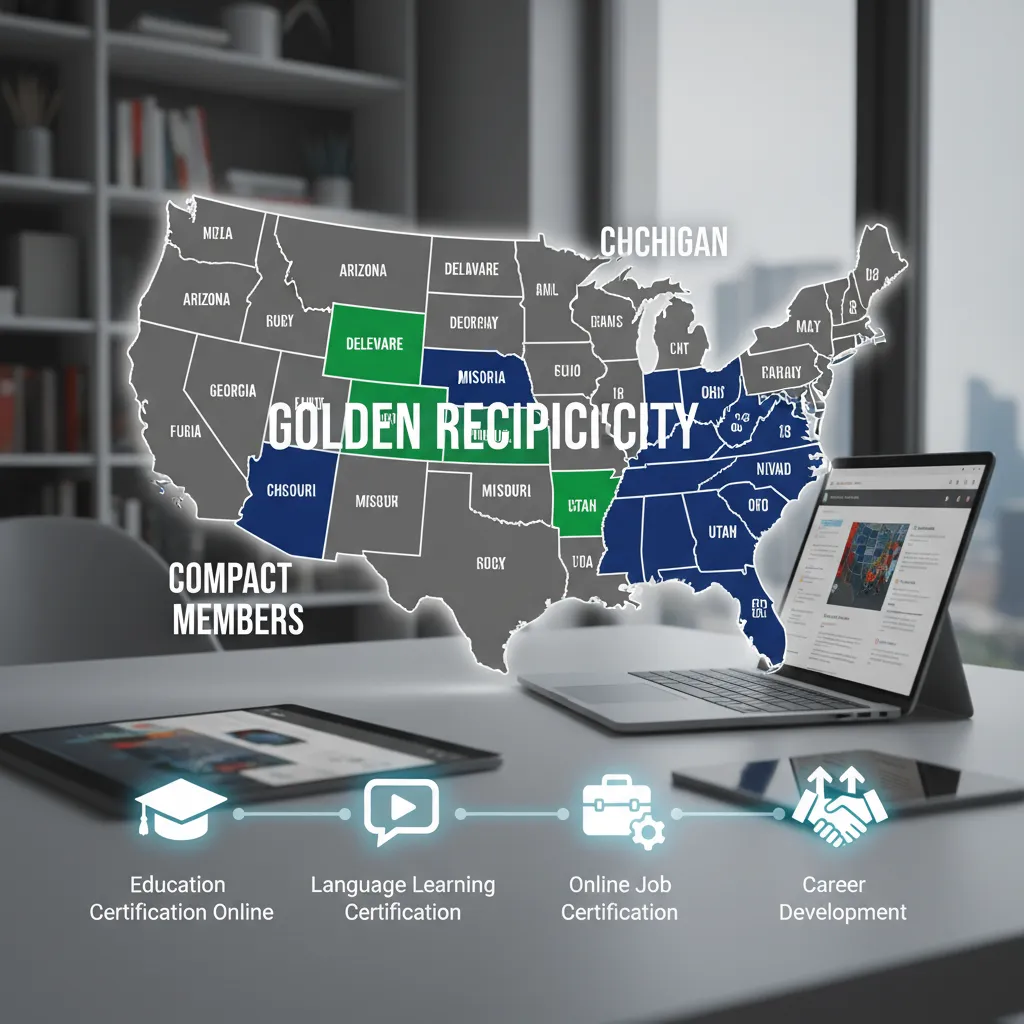
However, the landscape is changing. According to the Education Commission of the States 2025 update, eight states have moved to **full reciprocity**, meaning they accept out-of-state licenses with zero or minimal barriers.
### The 8 “Golden” States for Reciprocity
If you get licensed in another state, these states make it easiest to transfer in:
1. Arizona
2. Florida
3. Hawaii
4. Illinois
5. Mississippi
6. Missouri
7. Nevada
8. Oklahoma
### The Interstate Teacher Mobility Compact
A major development for 2024-2025 is the **Interstate Teacher Mobility Compact**.
Adam Diersing, Policy Analyst at The Council of State Governments, calls this a “game-changer,” noting it allows teachers to treat their license like a driver’s license—valid across member state lines without redundant testing.
If you live in a state that has joined the Compact, your online teaching license just became significantly more valuable.
FAQ: Common Questions About Online Licensure
Conclusion
The teaching shortage is a crisis for schools, but an opportunity for you. With average starting salaries projected to cross $44,530 in 2024 according to the NEA, and signing bonuses in high-need areas reaching $5,000, the financial argument for teaching is improving.
Getting your **teaching license online** is no longer a “lesser” path; it is the primary way modern educators are entering the workforce. Whether you choose a budget-friendly option like American Board or a comprehensive university track like WGU, the key is to start.
Don’t let the paperwork scare you off. Pick a state-approved program, pass that content exam, and get into the classroom. The students are waiting.