

How to Earn an Accredited Online TEFL Certification (2025 Guide)
The remote work revolution hasn’t slowed down. In fact, for aspiring English teachers, it’s just hitting second gear. According to a 2024 report by Grand View Research, the global digital English language learning market is projected to reach $27.8 billion by 2030, growing at a massive compound annual growth rate (CAGR) of 16.2%.
You can claim your slice of this market without leaving your living room. Whether you want to fund a digital nomad lifestyle or simply earn a side income from home, the barrier to entry is lower than you think—but the risks of getting scammed are higher.
I’ve seen it happen too many times: eager teachers buy a $39 course from a coupon site, spend weeks studying, and then get their resumes tossed in the trash by legitimate employers. In 2025, schools and platforms like Preply or Cambly are smarter. They know the difference between a “diploma mill” certificate and a government-regulated qualification.
This guide filters out the noise. We will cover exactly how to earn a legitimate TEFL certificate online, which accreditations actually matter, and how to turn that piece of paper into a paycheck.
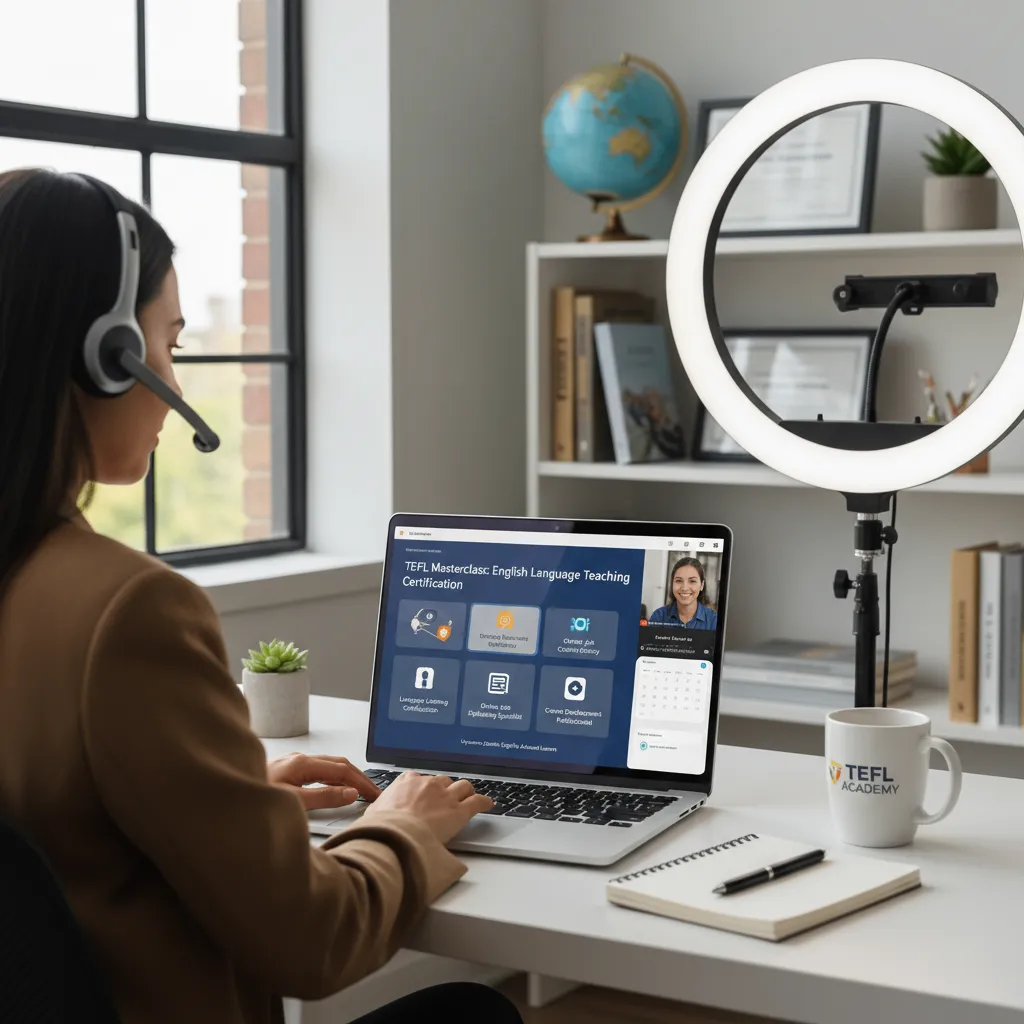
The “Big Three” Certifications: TEFL vs. TESOL vs. CELTA
Before you spend a dime, you need to speak the language of the industry. The acronyms can be confusing, but picking the wrong one is an expensive mistake. Here is the breakdown of what these terms actually mean in the current hiring landscape.
| Acronym | Full Name | Best For… |
|---|---|---|
| TEFL | Teaching English as a Foreign Language | The Industry Standard. Perfect for teaching English online or abroad in non-native countries (China, Spain, Thailand). |
| TESOL | Teaching English to Speakers of Other Languages | Often used interchangeably with TEFL. More common in domestic markets (teaching immigrants in the US/UK). |
| CELTA | Certificate in English Language Teaching to Adults | The Gold Standard. Issued by Cambridge. Essential for university jobs or high-end schools in Europe/Middle East. Expensive ($1,500+) and intensive. |
Which one do you actually need for remote teaching?
If your goal is to teach English online from home or secure a standard teaching contract abroad, a 120-hour TEFL certificate is almost always sufficient. While a CELTA is prestigious, the Return on Investment (ROI) for online tutoring rarely justifies the $2,000 price tag unless you plan to make this a lifelong career in academia.
According to the British Council’s Future of English research, with 1.5 billion English speakers worldwide and a shortage of teachers, employers are prioritizing practical teaching skills over expensive university crests—provided your TEFL certification is legitimate.
Critical Requirements: What Schools Look for in 2025
Not all certificates are created equal. If you are browsing courses and see one that offers a “40-hour introduction,” close the tab immediately. That is not a certification; it’s a pamphlet.
The “120-Hour Standard”
To get a work visa in countries like Vietnam or South Korea, or to be accepted onto premium platforms like AmazingTalker or Novakid, you need a minimum of 120 hours of training. Anything less is generally not recognized by international labor departments.
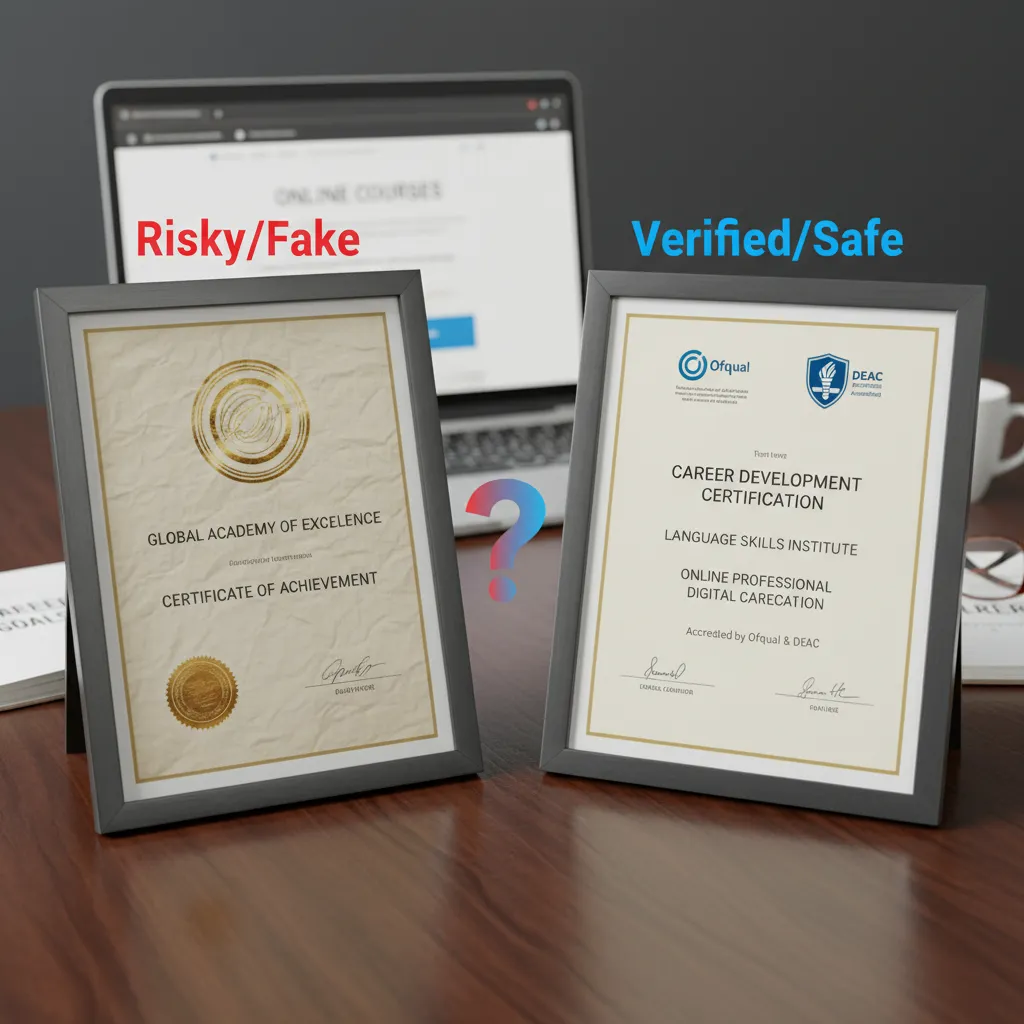
The Accreditation Trap: Accredited vs. Regulated
This is where most people get scammed. A course provider can claim they are “accredited,” but if they are accredited by a company they own, the certificate is worthless. You need external, government-level regulation.
When evaluating a course, look for these specific bodies:
- UK Providers: Must be regulated by Ofqual (The Office of Qualifications and Examinations Regulation). Look for “Level 5” terminology. You can verify valid courses on the Ofqual Register.
- US Providers: Should be recognized by the DEAC (Distance Education Accrediting Commission), which is listed in the U.S. Department of Education Database.
- ODLQC: The Open & Distance Learning Quality Council is another reputable mark of quality for remote specific courses.
Do you need a “Live Practicum”?
A practicum involves actual practice teaching with real students. Historically, this was mandatory. In the post-2020 landscape, requirements have shifted. While in-person classroom jobs still prefer it, online teaching platforms generally do not require a practicum. However, top-tier courses like those from the International TEFL Academy include a virtual practicum, which can significantly boost your confidence and make you a better teacher, even if it’s not strictly a legal requirement for every job.
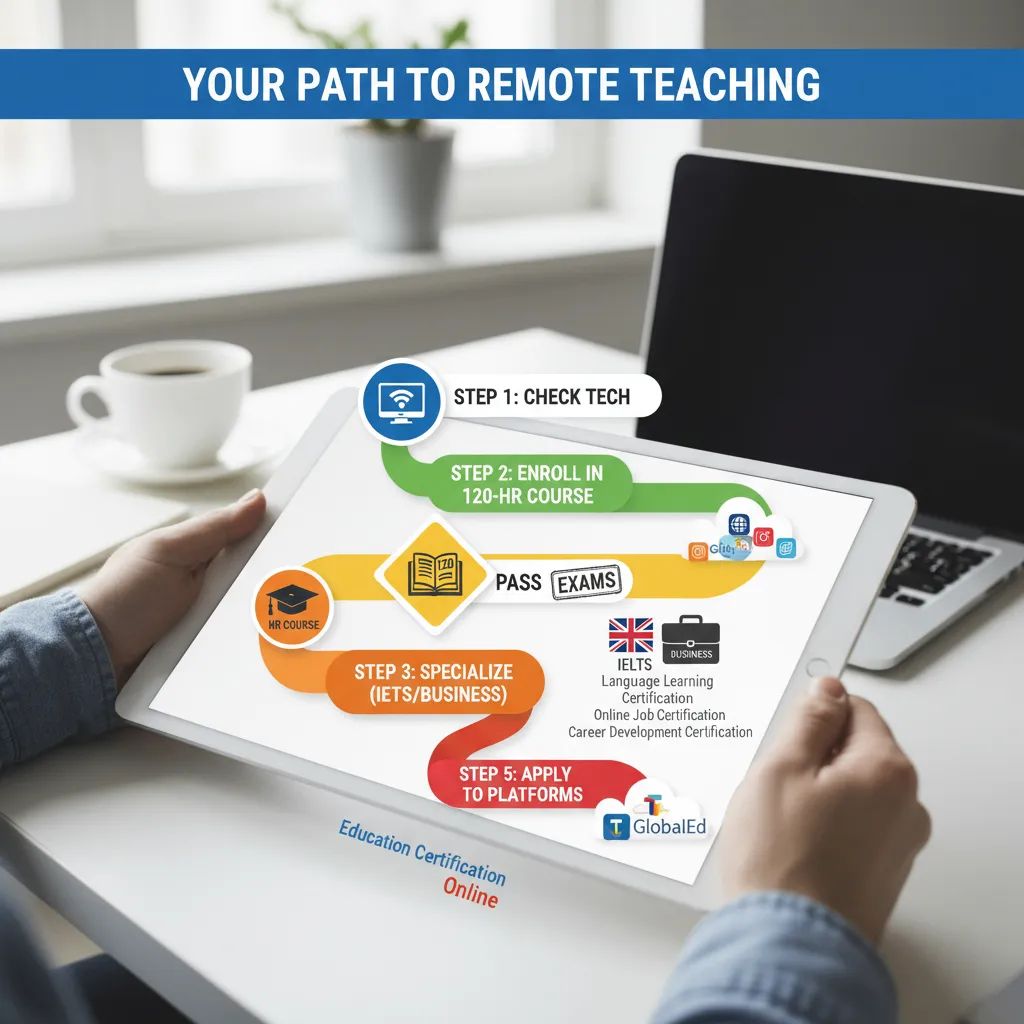
Step-by-Step: How to Get Certified from Home
Step 1: Choosing the Right Provider
Avoid the “Groupon special.” If a course is $39, it is impossible for the provider to pay qualified tutors to grade your work. You are paying for a PDF, not an education. Stick to reputable providers like The TEFL Academy, Premier TEFL, International TEFL Academy (ITA), or BridgeTEFL.
Step 2: Course Structure & Tech Requirements
Most accredited courses are asynchronous, meaning you can study at your own pace. However, you usually have a deadline (e.g., 6 months access). You will need:
- A laptop or desktop (trying to complete these on a tablet is frustrating).
- A stable internet connection for video modules.
- Approximately 10–12 hours of study time per week to finish in 3 months.
Step 3: Assessments and Final Exam
Don’t expect multiple-choice quizzes alone. A Level 5 Ofqual-regulated course requires you to write lesson plans, analyze grammar structures, and create classroom scenarios. The final exam is often a comprehensive test of your understanding of English grammar—something native speakers often struggle with because we learned it intuitively, not structurally.
Cost Analysis: How Much Should You Spend?
Let’s look at the real costs. A “cheap” course often has hidden fees, such as charging you $50 extra just to print and mail your hard-copy certificate (which you often need for visa processing).
- Budget / Risky ($20 – $100): Unregulated, automated grading, low employer trust. High risk of rejection.
- Mid-Range / Standard ($250 – $500): Accredited (usually Level 5), tutor support, accepted by 90% of online platforms. (Sweet spot for most digital nomads).
- Premium / University ($1,000 – $2,500): Includes live practicum, lifetime job placement assistance, university credits. Examples include CELTA or ITA.
💰 TEFL ROI Calculator
Calculate how many hours you need to teach to pay off your certification.
The Job Market in 2025: Where the Money Is
The days of VIPKid dominating the market are over. Following regulatory changes in China in 2021, the market has shifted. Here is where the opportunities lie in 2025.
1. The Freelance Marketplaces
Platforms like Preply, Italki, and Cambly are booming. You set your own profile and rates.
- Pros: Total flexibility. You are your own boss.
- Cons: You have to market yourself. Earnings start lower until you build reviews.
- Earnings: According to Preply’s 2024 earnings data, successful tutors average between $15 and $25 USD per hour, with specialized tutors earning significantly more.
2. Contracted Employment
Companies like Open English (Latin America focus) or Novakid (Europe focus) offer more stability. They provide the curriculum and assign students to you.
Specialization: The Secret to $30+/Hour
If you want to earn more than the average, do not be a generic “conversational English” tutor. Niche down. The highest paying niches in 2025 include:
- Business English: Teaching corporate professionals.
- Exam Prep: IELTS or TOEFL preparation (high stakes = high pay).
- Tech/Medical English: Specialized vocabulary for professionals.
There are now 17.3 million American digital nomads, a 131% increase since 2019 (MBO Partners 2024). Many fund their travels specifically through online TEFL teaching.
FAQ: Earning Your English Teaching Certificate
Do I need a Bachelor’s degree to get TEFL certified?
No, you do not need a degree to get the certificate. However, many employers (and government work visas) require a degree. For online teaching, there are several platforms (like Cambly and PalFish) that accept teachers without degrees, provided they have a TEFL certificate and are native/near-native speakers.
Can non-native speakers get certified?
Absolutely. In fact, non-native speakers often make excellent teachers because they understand the grammar mechanics better than native speakers. To get certified, you typically need an English proficiency level of C1 or C2 (Advanced). High IELTS or TOEFL scores are often required by course providers.
Is a Groupon TEFL course worth it?
Generally, no. If you just want to “dip your toes in” to see if you like the subject matter, sure. But do not expect a $39 certificate to be accepted for a work visa in Japan or by a premium online school. It is a resume filler, not a professional qualification.
How long does the certification take?
A standard 120-hour online course usually takes 4 to 6 weeks if you study part-time (10-15 hours a week). Dedicated students can finish in as little as 2 weeks if they treat it like a full-time job.
Conclusion: Start Your Journey Today
Earning an English teaching certificate from home is one of the fastest, most cost-effective ways to pivot your career or launch a digital nomad lifestyle. But the market is competitive. To stand out in 2025, you cannot cut corners with unaccredited courses.
Your Action Plan:
- Audit Yourself: Can you commit 120 hours over the next 2 months?
- Verify Providers: Check the Ofqual register or DEAC database before paying.
- Specialize Early: Don’t just learn to teach; learn to teach something specific like Business English.
The demand for English teachers isn’t going away. With the right certification, you aren’t just buying a piece of paper—you’re buying the freedom to work from anywhere on earth.